

Why Health Clubs & Spas Are Essential for Modern Wellness
A health club & spa combines fitness facilities with therapeutic services to support your complete well-being. These integrated wellness centers offer everything from state-of-the-art gym equipment and group fitness classes to massage therapy, saunas, and skincare treatments under one roof.
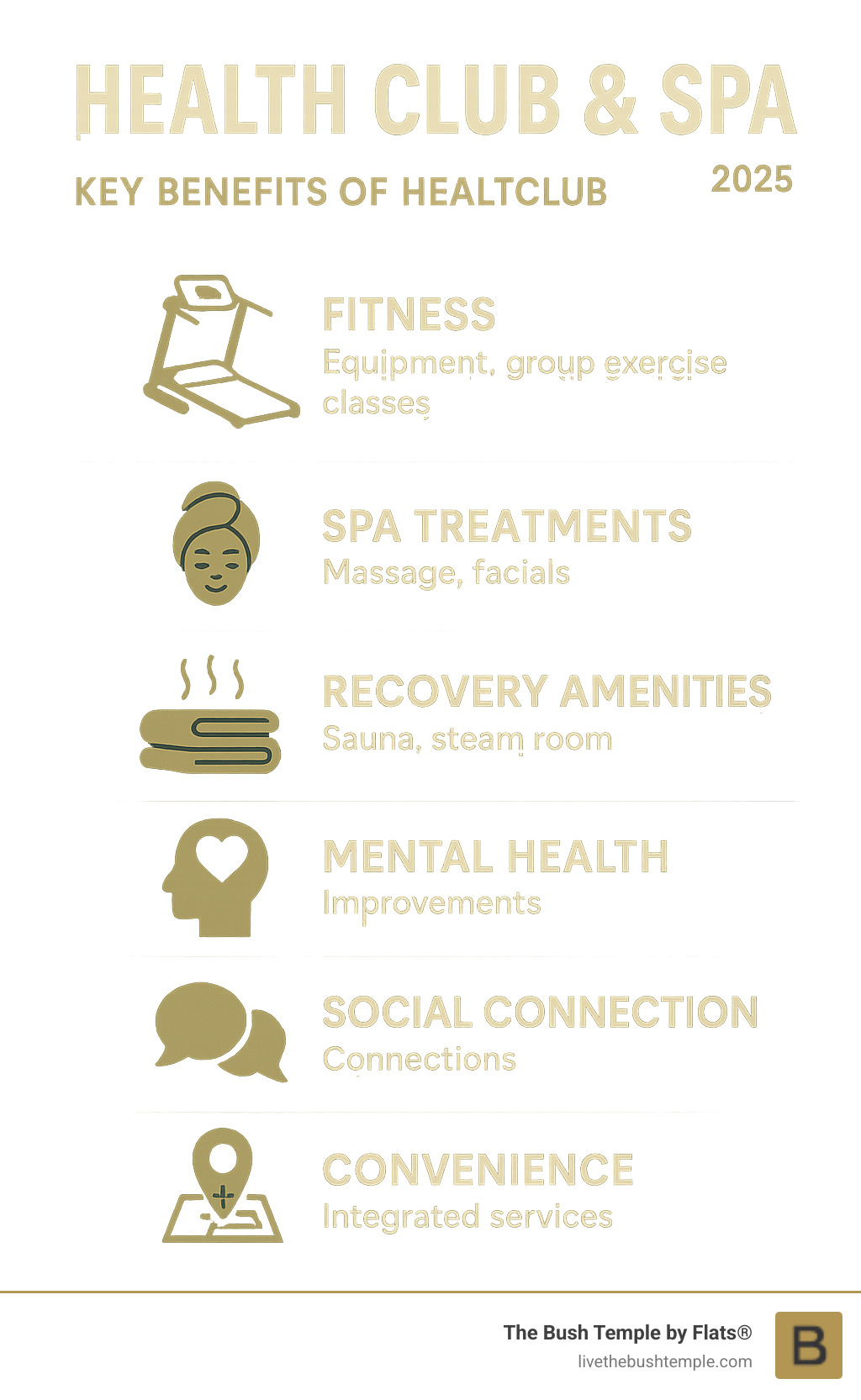
Key Benefits of Health Club & Spa Membership:
- Physical Fitness - Access to cardio equipment, strength training, and 50+ weekly group exercise classes
- Recovery & Relaxation - Professional spa services including massage, facials, steam rooms, and saunas
- Mental Health Support - 76% of members report positive mental health benefits from regular use
- Social Connection - Community atmosphere with group classes and member events
- Convenience - Complete wellness solution in one location
The wellness industry has evolved far beyond traditional gyms. Today's health clubs integrate holistic approaches to wellness, offering everything from yoga and Pilates studios to hydrotherapy pools and meditation spaces. The global wellness market now exceeds $4.5 trillion, with the spa industry alone generating over $100 billion in revenue.
Modern wellness centers understand that true health involves more than just physical fitness. They create environments where individuals can strengthen the body, restore the mind, and connect with others who share similar wellness goals.
Whether an individual is looking to build strength, reduce stress, or simply maintain a balanced lifestyle, the right health club & spa can become a personal wellness sanctuary in the heart of the city.
What Defines the Modern Wellness Center?
Today's health club & spa facilities have evolved significantly. No longer are gyms just rooms filled with weights and treadmills. Modern wellness centers operate on the understanding that health involves nurturing the body, mind, and spirit all in one place.
These comprehensive wellness hubs offer a wide range of services designed to support individuals on their health journey. Whether someone is training for a marathon, recovering from a stressful week, or looking to maintain a balanced lifestyle, these facilities provide many necessary resources under one roof.
Core Fitness Services for Every Goal
The fitness foundation of a comprehensive health club & spa starts with variety and accessibility. State-of-the-art weight and cardio centers feature everything from free weights and resistance machines to functional training areas that help build real-world strength.
Cardiovascular equipment is a central feature, with treadmills, ellipticals, stationary bikes, and rowing machines that keep workouts interesting and effective. These machines are not just about burning calories—they are about building the endurance needed for daily life.
Group exercise classes can provide energy and motivation that is hard to find when working out alone. Many facilities offer over 50 weekly group exercise classes, ranging from high-energy cycling sessions to peaceful yoga flows. Many people find motivation working out alongside others who share similar wellness goals.
Specialized studios for yoga and Pilates create dedicated spaces for mind-body connection. These are not just additions—they are important for building flexibility, core strength, and balance that complement traditional strength training.
Personal training can take the guesswork out of fitness. Certified trainers create customized workout plans whether the goal is weight loss, injury rehabilitation, or learning proper form. This personalized attention helps members achieve specific fitness goals with targeted support.
Essential Spa and Recovery Amenities
The spa side of modern wellness centers recognizes that recovery is just as important as the workout itself. Massage therapy options typically include classic Swedish, deep tissue, therapeutic, and hot stone treatments. These services can help soothe sore muscles and reduce tension after vigorous workouts or long days.
Skincare and facial treatments go beyond basic pampering. Deep pore cleansing, hydrating facials, and anti-aging treatments help refresh the body. Some facilities offer specialized services like bacials for those hard-to-reach areas that need attention.
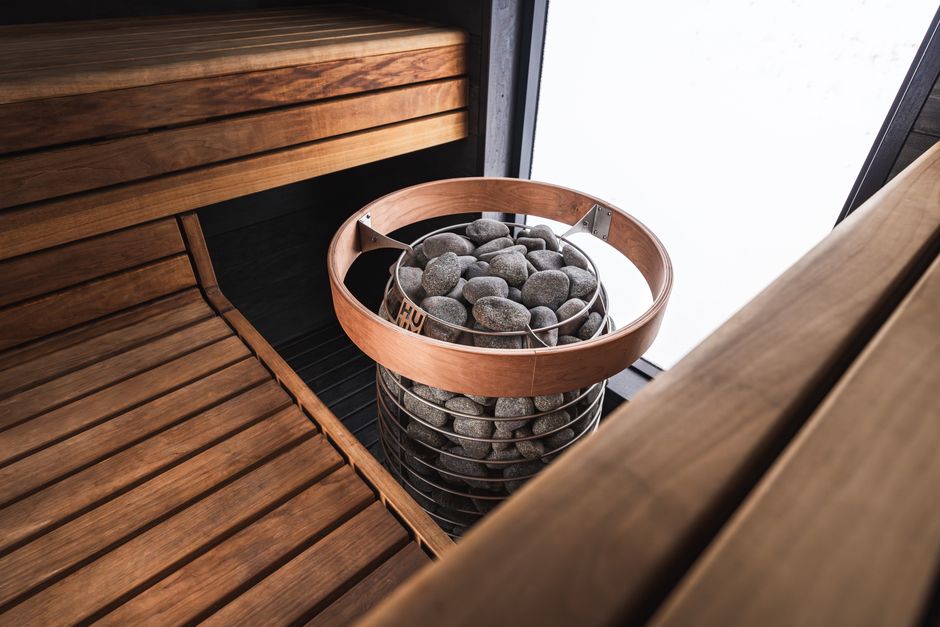
Saunas and steam rooms provide therapeutic benefits that complement any fitness routine. Regular use can aid in pain management, muscle relaxation, and detoxification through natural sweating. These amenities are popular post-workout rituals for many members.
Hydrotherapy options including whirlpools at various temperatures offer relaxing experiences that can accelerate muscle recovery and reduce overall stress. Cold plunges and other water-based therapies are gaining popularity for their recovery benefits.
How These Facilities Improve Your Lifestyle
The combination of fitness and spa services can transform daily life. Stress reduction can be achieved by combining endorphin-releasing workouts with calming massage and sauna sessions. This combination can be an effective way to manage modern life's pressures.
Physical rejuvenation goes beyond just appearance. Consistent engagement in fitness activities leads to increased energy levels, better sleep quality, and improved physical capabilities. Spa treatments improve this by aiding muscle recovery and promoting skin health, creating an overall feeling of renewed vitality.
Mental clarity can emerge as a side benefit. Exercise positively impacts mental health, while group classes and supportive environments can boost mood and reduce anxiety. Recent studies show that 76% of gym-goers report their membership contributes positively to their mental health—a testament to these facilities' psychological benefits.
Community building happens in these environments. Group classes, shared wellness journeys, and casual conversations create opportunities for social connections. Many members form friendships through their health club & spa experiences.
Healthy habits can develop more easily when surrounded by a supportive environment and professional guidance. The structured setting makes it easier to maintain disciplined approaches to fitness and self-care, turning wellness from a chore into a lifestyle choice.
The Evolving Landscape: Types and Trends
The wellness industry has evolved from the basic gyms of decades past. Today's health club & spa facilities represent a significant change in how people approach their well-being, offering experiences that were uncommon in traditional fitness centers.

From Gym to Holistic Wellness Hub
The shift from simple exercise facilities to comprehensive wellness destinations reflects evolving consumer preferences. Where once a few weight machines and a treadmill sufficed, today's members often seek a wider range of amenities.
Consumer demand has evolved significantly over the past decade. People no longer view fitness as just physical exercise—they seek spaces that nurture their mental health, help them recover from stress, and connect them with like-minded individuals. This change has driven the industry to rethink facility design and service offerings.
Technology integration has significantly impacted modern wellness centers. Members can now access live and on-demand classes through mobile apps, allowing them to maintain their wellness routines even when they cannot make it to the facility. Wearable technology connects with club systems, helping people track their progress and receive personalized recommendations.
The holistic approach that defines today's health club & spa recognizes that wellness extends beyond physical metrics like how much weight someone can lift or how fast they can run. It is about creating balance between physical strength, mental clarity, and emotional well-being—all within a supportive community environment.
Comparing Wellness Center Features
Understanding the different types of wellness facilities helps in finding a suitable facility for individual needs and preferences. The landscape offers everything from large, comprehensive centers to intimate, specialized boutiques.
| Feature | Large Chain Health Club & Spa | Boutique Health Club & Spa | Fitness-Focused Club | Spa-Focused Club |
|---|---|---|---|---|
| Specialization | Broad range of fitness, spa, and often family services | Niche offerings with personalized attention | Primarily gym equipment and group fitness | Primarily therapeutic treatments and relaxation |
| Community | Large member base with diverse demographics and social events | Intimate atmosphere with strong sense of belonging | Focus on workout performance over social connection | Calm, serene environment for individual rejuvenation |
| Amenities | Extensive facilities with multiple pools and large class schedules | Curated, high-end features with unique offerings | State-of-the-art gym equipment and training zones | Massage rooms, hydrotherapy, and relaxation areas |
| Features | Multiple locations with digital access and corporate memberships | Unique design with personalized coaching and premium products | Functional training with performance tracking | Aromatherapy, luxurious locker rooms, and quiet zones |
Large chain facilities typically offer a comprehensive experience, with extensive amenities that can include multiple pools, sports courts, and dozens of weekly classes. These centers provide variety and convenience, often with locations throughout a city.
Boutique wellness centers focus on creating a more intimate, personalized experience. These facilities often specialize in specific approaches to wellness, whether that is high-performance training, luxury spa services, or integrated mind-body practices. The smaller member base allows for more individualized attention and stronger community connections.
Fitness-focused clubs prioritize workout equipment and training programs, often featuring the latest in strength and cardio technology. These facilities appeal to people whose primary goal is physical fitness improvement.
Spa-focused establishments emphasize relaxation and therapeutic treatments, creating tranquil environments designed for stress relief and rejuvenation. These centers often feature extensive treatment menus and luxurious amenities.
Emerging Trends Shaping the Future of Wellness
The health club & spa industry continues to evolve, with new trends reshaping how people experience wellness.
Pickleball has grown rapidly in popularity, earning recognition as the fastest-growing sport in America. More health clubs are adding courts to meet the demand for this social activity that appeals to people of all ages and fitness levels.
Wearable technology integration has moved beyond step counting. Modern wellness centers now sync with smartwatches and fitness trackers to provide real-time feedback, personalized workout recommendations, and detailed progress tracking that helps members achieve their goals more effectively.
Hyper-personalization is an emerging trend in wellness services. Beyond traditional personal training, facilities are developing highly customized programs that consider individual genetics, lifestyle factors, and specific health goals to create highly individualized wellness experiences.
Recovery services have gained popularity as people recognize the importance of post-workout care. Cryotherapy, infrared saunas, cold plunges, and specialized stretching zones are becoming standard offerings.
Mental wellness programs acknowledge the connection between physical and mental health. More facilities are incorporating meditation sessions, mindfulness workshops, and stress management resources, recognizing that wellness encompasses both body and mind.
These trends point toward a future where health club & spa facilities become more integral to people's daily lives, offering comprehensive support for every aspect of well-being in increasingly personalized ways.
A Practical Guide to Selecting Your Ideal Health Club & Spa
Finding a suitable health club & spa can feel overwhelming with so many options available. The key is understanding what matters most for personal wellness goals and taking time to explore different membership models and facility offerings.
Understanding Membership and Access Models
Most wellness centers offer flexible membership structures designed to fit various lifestyles. Understanding these options helps narrow down choices and find a suitable option.
Membership tiers typically range from basic gym access to comprehensive packages that include spa services, personal training sessions, and guest privileges. Options may exist for families, corporate groups, or local residents.
The pay-per-service model is a good fit for those who prefer flexibility over commitment. Non-members can often book individual spa treatments, day passes for certain amenities, or access specific classes on a per-visit basis.
Trial memberships have become increasingly popular, allowing potential members to experience facilities for a week or month before making a long-term commitment. This approach removes much of the guesswork from choosing a wellness center.
The health and fitness industry continues to grow, with over 40,000 clubs across the United States generating nearly $39.4 billion annually. This market means many options exist for every preference and need.
Key Factors in Choosing a health club & spa
Selecting a wellness center starts with self-reflection about personal goals and lifestyle preferences. Someone seeking stress relief and relaxation might prioritize spa amenities, while those focused on strength building need extensive fitness equipment and training options.
Location convenience often determines long-term consistency with any wellness routine. A facility that fits into daily routines - whether near home, work, or along regular commute routes - encourages consistent attendance. For those living in Chicago's River North area, exploring the local Neighborhood can reveal convenient options that complement urban living.
Operating hours are an important consideration. Early morning exercisers need facilities that open before dawn, while evening spa-goers require extended hours for post-work relaxation.
The range of amenities should align with intended use patterns. Reviewing a facility's complete Amenities list helps identify whether it offers desired services like group classes, swimming pools, massage therapy, or specialized equipment.
Club culture varies significantly between facilities. Some foster high-energy, community-focused environments with social events and group challenges. Others maintain quieter, more individualized atmospheres suitable for personal reflection and solo workouts.
Taking advantage of facility tours provides useful insight. During visits, key questions help evaluate compatibility: What group exercise classes are available weekly? What qualifications do personal trainers possess? Are spa services included in membership or offered separately? What are peak usage times for popular amenities? How does the cancellation policy work for both memberships and spa appointments?

What to Know About health club & spa Regulations
Understanding the regulatory landscape helps confirm chosen facilities operate safely and ethically. While specific requirements vary by location, several common protections exist for consumers.
Consumer protection laws govern contract terms, cancellation policies, and advertising practices. These regulations are designed to prevent deceptive marketing and promote transparency in membership agreements.
Most jurisdictions require registration rather than licensing for health clubs. Facilities typically must file financial instruments - such as certificates of deposit, letters of credit, or bonds - with state authorities. These financial safeguards are designed to protect members if a business closes unexpectedly.
Bond amounts often correlate with contract lengths and facility sizes, with requirements increasing for longer commitments or multiple locations.
Health and safety standards are designed to promote clean, safe environments for all activities. Regulations cover water quality in pools and whirlpools, equipment maintenance, fire safety protocols, and emergency procedures. Many modern facilities exceed minimum requirements by emphasizing natural light and improved cleaning protocols.
Age restrictions commonly apply to certain areas like fitness rooms, saunas, steam rooms, and spa facilities. Most require individuals to be 18 or older for unsupervised access to these amenities, to promote appropriate usage and safety compliance.
Frequently Asked Questions about Health Clubs & Spas
What is the main difference between a health club and a spa?
The world of wellness can be confusing when terms like "health club" and "spa" are used. While modern facilities often blend these concepts, understanding their core differences helps clarify what to expect.
Health clubs put physical fitness front and center. Picture cardio machines, weight rooms filled with strength training equipment, and studios for group exercise classes. These spaces are designed for movement - whether that is improving cardiovascular health, building muscle strength, or joining a high-energy cycling class. Some health clubs expand their offerings with sports courts for basketball or the increasingly popular pickleball.
Spas, on the other hand, create environments for relaxation and therapeutic healing. The atmosphere shifts from energetic to tranquil, with massage rooms, facial treatment areas, and quiet spaces designed for unwinding. The focus moves from building physical strength to reducing stress, pampering the skin, and allowing the mind to reset.
An integrated health club & spa brings these two worlds together. Members can complete an intense workout and then transition to a quiet environment for recovery treatments. This combination recognizes that wellness involves both challenging the body and giving it time to restore and heal.
Are spa services usually included in a health club membership?
The answer varies significantly depending on the membership structure, and understanding these differences can prevent disappointment.
Most health club & spa memberships include access to basic wellness amenities like saunas, steam rooms, hot tubs, and pools. These facilities bridge the gap between fitness and relaxation, helping muscles recover after workouts while providing therapeutic benefits. Members typically have access to these amenities as part of their regular membership.
However, professional spa treatments are typically handled differently. Services like massages, facials, specialized body treatments, and skincare consultations almost always require separate payment. These treatments involve licensed professionals and premium products, making them additional services rather than included perks.
However, members may have access to special offers. Many facilities provide special offers on spa services for their members. Some clubs may designate specific member appreciation days with special promotions.
Premium membership tiers sometimes include a set number of complimentary spa services or access to other programs. Before committing to any membership, it is important to clarify exactly which amenities are included and which services require additional payment. This transparency helps create realistic expectations about the membership.
Conclusion: Your Path to a Healthier, More Balanced Life
Choosing a health club & spa membership represents more than signing up for a gym—it is making a commitment to a healthier, more balanced lifestyle. These comprehensive wellness centers create an environment where physical fitness meets mental restoration, offering resources to thrive in today's demanding world.
The journey toward holistic wellness can be supported by having access to state-of-the-art fitness equipment, energizing group classes, and rejuvenating spa treatments all under one roof. Whether the goal is building strength, reducing stress, or maintaining a healthy routine, a health club & spa can become a personal sanctuary where change can happen.
For residents of apartments in River North, Chicago, this wellness journey takes on a convenient dimension. The Bush Temple by FLATS® complements this lifestyle, featuring premium fitness amenities right within the building. Living on the border of River North and the Gold Coast means being surrounded by many of the city's wellness centers, making it convenient to maintain healthy habits.
A key benefit of choosing an integrated health club & spa is its ability to adapt to changing needs. Some days call for an intense workout followed by a relaxing steam room session. Other days might begin with a peaceful yoga class and end with a therapeutic massage. This flexibility helps wellness remain sustainable and enjoyable rather than feeling like another obligation.
Finding a suitable wellness facility means finding a place that supports physical goals while nurturing mental well-being and fostering connections with like-minded individuals. A commitment to comprehensive wellness can have benefits that extend far beyond the gym walls, creating positive effects that improve many aspects of life.
Residents and newcomers to the area can Find a River North fitness center and take the first step toward a healthier, more balanced life in the heart of Chicago.