

Why Finding Pet-Friendly Housing in Chicago Matters
Pet friendly apartments for rent in near chicago are available in over 15,000 units across the city, but finding the right match for you and your furry companion takes more than just scrolling through listings. With nearly two dozen designated dog-friendly areas in Chicago parks and beaches, plus countless pet-loving neighborhoods, the city welcomes four-legged residents - but each building has its own rules, fees, and restrictions.
Quick Facts for Pet Owners Apartment Hunting in Chicago:
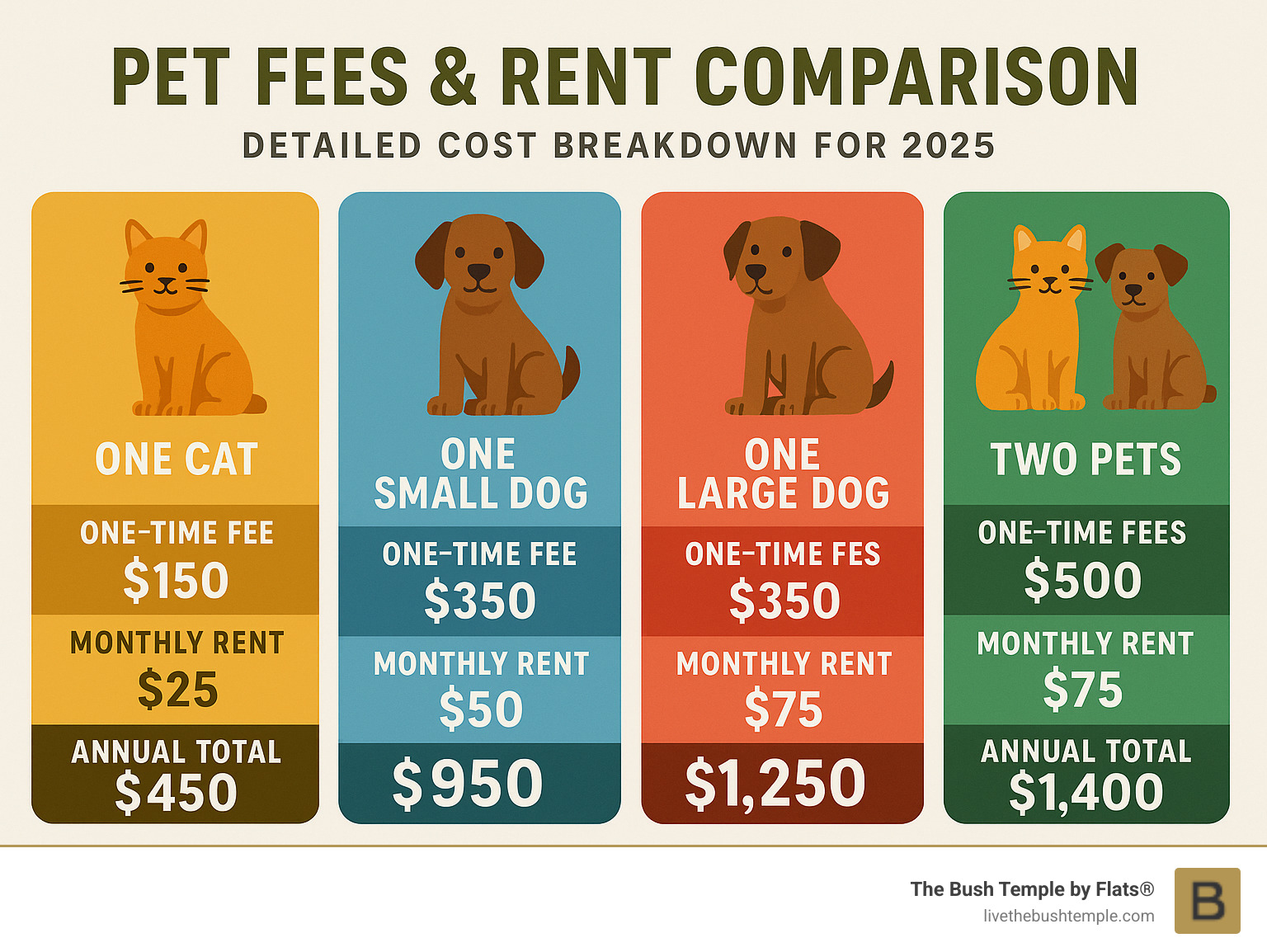
- Pet fees: $350 one-time fee for dogs, $150 for cats, plus monthly rent of $25-$75 depending on pet size
- Pet limits: Maximum 2 pets per unit in most buildings
- Common restrictions: Weight limits (often 60-80 lbs combined), breed restrictions for certain dog types
- Best neighborhoods: River North, Lakeview, Lincoln Park, and Andersonville offer the most pet-friendly options
- Required documentation: Vaccination records, pet photos, and renter's insurance updates
The reality is that "pet-friendly" doesn't mean the same thing everywhere. Some buildings welcome cats but not dogs. Others allow small dogs but have strict breed lists. Monthly pet rent can range from $25 for cats to $75 for dogs, and those fees add up quickly over a lease term.
Chicago's pet-owning renters face unique challenges - from navigating elevator etiquette in high-rises to finding nearby relief areas during harsh winters. But the city's extensive park system, lakefront trails, and growing number of pet-focused amenities make it worth the search.
What "Pet-Friendly" Really Means in Chicago
When buildings advertise as pet-friendly, they're typically referring to cats and dogs only. Each property sets its own size and quantity limits, and the term doesn't automatically mean all pets are welcome. Understanding these distinctions can save time and prevent disappointment during the apartment hunt.
Cats vs Dogs: Different Rules Apply
Most Chicago apartments treat cats and dogs differently in their policies. Cats generally face fewer restrictions - no breed limitations, lower fees (around $150 one-time fee plus $25 monthly rent), and less scrutiny during the application process. Dogs, however, often encounter weight limits, breed restrictions, and higher fees ($350 one-time fee plus $50-$75 monthly rent depending on size).
The Two-Pet Maximum Rule
The vast majority of pet-friendly buildings in Chicago allow up to 2 pets per unit. This limit applies whether you have two cats, two dogs, or one of each. Combined weight limits are common - typically 80 pounds for two pets or 60 pounds for a single animal.
Breed Restrictions Reality
Many Chicago apartments maintain breed restriction lists that commonly include Akitas, Pit Bulls, Rottweilers, and Huskies. These restrictions are based on insurance requirements rather than actual pet behavior. Buildings may also restrict mixed breeds if they appear to contain characteristics of banned breeds.
Service and Support Animals
Service animals and emotional support animals have different legal protections than pets. Service animals are allowed regardless of pet policies, while emotional support animals may require additional documentation and landlord approval.
Key Lease Clauses to Scan Before Signing
Damage Liability Terms
Most leases hold pet owners responsible for any damage beyond normal wear and tear. This includes scratched floors, chewed baseboards, or carpet stains. Some buildings require additional security deposits or monthly pet rent to cover potential damages.
Noise and Behavior Rules
Leases typically include clauses about excessive barking, aggressive behavior, or pets disturbing neighbors. Violations can result in warnings, fines, or lease termination. Many buildings require pets to be leashed in common areas and prohibit them from certain spaces like fitness centers or rooftop lounges.
Renewal and Transfer Terms
Pet policies can change at lease renewal, potentially affecting fees or restrictions. Some leases include clauses about pet registration updates or required annual veterinary checkups.
Required Vaccinations and Health Records
Most buildings require up-to-date vaccinations for rabies, distemper, and other core vaccines. Some also require spaying or neutering documentation and annual health certificates from licensed veterinarians.
Landlord Entry Rights
Lease agreements typically specify how landlords can enter units for inspections, especially regarding pet-related issues. Understanding these terms helps avoid conflicts about privacy and pet containment during visits.
Mandatory Documentation for pet friendly apartments for rent in near chicago
Veterinary Records Package
Complete vaccination records from a licensed veterinarian are essential. This includes rabies certificates, distemper shots, and any other required immunizations. Records should be current and include the veterinarian's contact information.
Pet Photo Identification
Many buildings require recent photos of pets for their records. These photos help identify animals and may be used for building access or emergency situations.
Vaccination Proof Updates
Annual vaccination updates are typically required to maintain lease compliance. Some buildings send renewal reminders, while others expect tenants to provide updates proactively.
Renter's Insurance Rider
Pet owners often need to add liability coverage to their renter's insurance policies. This protects against potential damages or injuries caused by pets and may be required by the lease agreement.
Best Neighborhoods & Buildings for Pets Near the Loop
Chicago offers numerous pet-friendly neighborhoods, each with distinct advantages for pet owners. Proximity to parks, veterinary services, and pet-friendly businesses varies significantly across the city.
River North: Urban Convenience
River North stands out for its walkability and proximity to the Chicago Riverwalk. The neighborhood offers easy access to downtown while maintaining green spaces for pets. Many buildings feature rooftop dog runs and pet-washing stations. The area's density means shorter walks to essential services and emergency veterinary care.
Lakeview: Park Paradise
Lakeview provides extensive park access, including Lincoln Park's 1,200 acres of green space. The neighborhood features multiple off-leash dog areas and connects to the Lakefront Trail. Lakeview's residential character offers a quieter environment while maintaining excellent transit connections.
Lincoln Park: Historic Charm
Lincoln Park combines historic architecture with modern pet amenities. The neighborhood's tree-lined streets and proximity to the zoo create an engaging environment for pets. Many buildings offer vintage charm with updated pet-friendly features.
Andersonville: Community Feel
Andersonville's walkable streets and local businesses create a neighborhood atmosphere. The area features several pet boutiques, grooming services, and dog-friendly cafes. Foster Beach provides lakefront access for exercise and socialization.
Uptown: Lakefront Access
Uptown offers Montrose Beach's dedicated dog park where pets can swim and run off-leash. The neighborhood's entertainment venues and diverse dining options create a vibrant environment. Transit access via the Red Line provides easy downtown connections.
West Loop: Modern Amenities
The West Loop's newer construction often includes built-in pet amenities. Buildings frequently feature dog runs, pet spas, and partnerships with local pet services. The neighborhood's restaurant scene increasingly accommodates pets on patios and outdoor spaces.

Spotlight: pet friendly apartments for rent in near chicago along the Red Line
The Red Line corridor offers excellent accessibility for pet owners who commute downtown. Stations like Fullerton, Belmont, and Granville provide direct access to neighborhoods with extensive pet amenities.
Easy Commutes for Pet Parents
Red Line access means shorter commute times, allowing more time for pet care and exercise. Many stations connect to bus routes that reach major dog parks and veterinary services.
Off-Leash Beach Access
Several Red Line stops provide easy access to lakefront beaches with designated off-leash areas. Montrose Beach, accessible via the Lawrence stop, offers both swimming and running space for dogs.
Neighborhood Pet Boutiques
Red Line neighborhoods feature numerous pet-focused businesses. From specialty food stores to grooming services, these areas cater to pet owners' needs within walking distance of transit.
For those considering River North specifically, the area offers unique advantages for pet owners seeking urban convenience with green space access. River North Pet Friendly Apartments provide downtown proximity while maintaining pet-friendly features.
On-Site Amenities That Make Tails Wag
Dog Runs and Exercise Areas
Many Chicago buildings now include dedicated dog runs or exercise areas. These spaces allow pets to exercise safely without leaving the building, particularly valuable during harsh weather. Some feature agility equipment or separate areas for different dog sizes.
Pet-Wash Stations
On-site pet-washing facilities save time and money while keeping apartments clean. These stations typically include raised tubs, professional-grade sprayers, and drying areas. Some buildings provide towels and basic grooming supplies.
Rooftop Relief Areas
High-rise buildings increasingly feature rooftop pet areas with artificial turf and waste stations. These spaces provide convenience for pet owners and reduce elevator traffic during peak hours.
Indoor Playrooms
Some luxury buildings offer indoor pet playrooms for socialization and exercise during inclement weather. These climate-controlled spaces often include toys, agility equipment, and separate areas for different pet sizes.
Partnerships with Pet Services
Forward-thinking buildings partner with local dog walkers, groomers, and veterinary services to provide convenient access to pet care. Some offer discounted rates or on-site services for residents.
The Bush Temple by FLATS® exemplifies modern pet-friendly amenities in River North, combining luxury living with thoughtful pet accommodations. Amenities include features designed for both pets and their owners.
Fees, Deposits & Monthly Costs—Decoded
Understanding the financial commitment of pet ownership in Chicago apartments requires examining both one-time and recurring costs. These fees vary significantly based on pet type, size, and building policies.
One-Time Pet Fees
Most Chicago apartments charge non-refundable pet fees: typically $350 per dog and $150 per cat. These fees cover administrative costs and potential minor damages. Some buildings charge per pet, while others have flat rates regardless of the number of animals.
Monthly Pet Rent
Monthly pet rent adds to the base apartment cost. Common rates include $25 for cats, $50 for dogs under 30 pounds, and $75 for dogs over 30 pounds. These fees continue throughout the lease term and often increase with rent renewals.
Refundable Pet Deposits
Some buildings require refundable pet deposits in addition to fees and monthly rent. These deposits typically range from $200-$500 and are returned if no pet-related damage occurs during the lease term.
Weight-Based Fee Structures
Many buildings use weight-based fee structures that charge higher rates for larger pets. Combined weight limits for multiple pets may result in premium pricing if the total exceeds standard thresholds.
Multi-Pet Budget Considerations
Having two pets can significantly impact monthly housing costs. With maximum fees, two pets might add $150 in monthly rent plus $500 in one-time fees to the lease agreement.
Negotiating Pet Terms With Landlords
Presenting a Pet Resume
A comprehensive pet resume can help negotiate better terms. Include vaccination records, training certificates, previous landlord references, and professional photos. This documentation demonstrates responsible pet ownership and may reduce perceived risk.
Offering Additional Security
Proposing higher security deposits or additional pet insurance coverage can address landlord concerns about potential damages. This approach shows commitment to protecting the property while potentially reducing monthly fees.
Obedience and Training Certificates
Providing proof of professional training or obedience classes demonstrates investment in pet behavior. These certificates can be particularly valuable for breeds commonly found on restriction lists.
Previous Landlord References
References from previous landlords confirming responsible pet ownership and lack of damage claims provide powerful negotiating leverage. These references carry more weight than personal character references.
Transparency About Pet Behavior
Honest discussion about pet behavior, including any challenges and how they're managed, builds trust with landlords. This transparency can lead to more flexible terms than attempting to hide potential issues.
Consequences of Pet Damage & How to Avoid Them
Repair Charges and Assessment
Pet damage charges can range from minor cleaning fees to major flooring replacement costs. Common issues include scratched hardwood floors, carpet stains, and damaged door frames. Professional assessment determines whether damage exceeds normal wear and tear.
Loss of Security Deposits
Pet-related damage often results in partial or complete loss of security deposits. Documentation of pre-existing conditions during move-in helps protect against unfair charges for previous damage.
Lease Violations and Penalties
Repeated pet-related issues can result in lease violations, fines, or termination. Understanding building policies about noise complaints, aggressive behavior, and property damage helps avoid these consequences.
Prevention Strategies
Regular nail trimming prevents scratched floors, while proper house training and supervision reduce accident-related damage. Providing adequate exercise and mental stimulation helps prevent destructive behavior from boredom or anxiety.
Touring Tips & Resources for Stress-Free Apartment Hunting
Schedule Multiple Showings
Viewing multiple properties allows comparison of pet policies, amenities, and neighborhood features. Schedule tours during different times of day to observe noise levels and pet activity in the building.
Bring Pet-Specific Questions
Prepare a checklist of pet-related questions covering fees, restrictions, policies, and available amenities. Ask about elevator usage during peak hours, waste disposal procedures, and emergency veterinary services nearby.
Observe Common Areas
Pay attention to hallway conditions, elevator cleanliness, and overall building maintenance. These factors indicate how well the building manages pet-related issues and general property care.
Test Soundproofing
Listen for noise from adjacent units, particularly sounds that might disturb pets or indicate poor soundproofing. This assessment helps predict whether noise complaints might become an issue.
Meet Potential Neighbors
Interactions with current residents can provide insights into the building's pet community and management responsiveness. Pet owners often share valuable information about local veterinarians, dog parks, and pet-friendly businesses.
Evaluate Nearby Resources
Research local veterinary clinics, pet supply stores, and grooming services. Proximity to these essential services affects convenience and emergency access for pet care needs.

Safety Considerations
Examine balcony safety, including railing height and gap spacing that might allow pets to escape or fall. Check window security and screen integrity, particularly in high-rise buildings.
For those interested in River North's furnished options, Furnished Apartments River North provides insights into move-in ready pet-friendly accommodations.
Handy Tools & Maps
Chicago Park District Dog-Friendly Areas
The Chicago Park District maintains nearly two dozen designated dog-friendly areas where pets can exercise off-leash. These locations include beaches, parks, and special enclosed areas throughout the city.
Online Mapping Resources
Google dog-park map provides comprehensive location information for dog parks, veterinary clinics, and pet-friendly businesses across Chicago.
Permit Requirements
Some dog-friendly areas require permits or registration. Understanding these requirements before moving helps ensure immediate access to exercise areas for pets.
Transit-Accessible Parks
Many dog parks connect to public transit, making them accessible without a car. This connectivity is particularly valuable for pet owners who rely on public transportation.
Frequently Asked Questions about Pet Friendly Apartments for Rent Near Chicago
What are the most common pet fees and monthly rents charged?
Most Chicago apartments charge $350 one-time fees for dogs and $150 for cats, plus monthly rent of $25-$75 depending on pet size. These fees are typically non-refundable and separate from security deposits. Weight-based pricing means larger dogs incur higher monthly costs.
How many pets are allowed per Chicago apartment?
The standard limit is 2 pets per unit across most Chicago buildings. This limit applies whether tenants have cats, dogs, or a combination. Combined weight restrictions often cap total pet weight at 80 pounds for two animals or 60 pounds for a single pet.
Are cats treated differently than dogs in rental policies?
Yes, cats generally face fewer restrictions and lower fees than dogs. Cats typically don't encounter breed restrictions, have lower monthly rent ($25 vs $50-$75 for dogs), and require less documentation during the application process. However, the same two-pet maximum usually applies regardless of animal type.
Application Requirements
Most buildings require completed pet applications with vaccination records, photos, and veterinary contact information. Some properties also request previous landlord references specifically regarding pet ownership and any damage history.
Weight and Size Limits
Weight limits vary by building but commonly range from 60-80 pounds for combined pets. Individual pet weight limits often cap at 60 pounds, with some buildings allowing larger animals with additional fees or deposits.
Breed Restriction Lists
Common breed restrictions include Akitas, Pit Bulls, Rottweilers, German Shepherds, and Huskies. These lists are typically based on insurance requirements rather than individual pet behavior. Mixed breeds may also face restrictions if they appear to contain characteristics of banned breeds.
Conclusion
Finding the perfect pet friendly apartments for rent in near chicago requires patience, preparation, and understanding of the unique challenges pet owners face in the rental market. With over 15,000 pet-friendly units available across the city, options exist for every lifestyle - but success depends on knowing what to look for and how to present yourself as a responsible pet owner.
Chicago's pet-friendly neighborhoods offer distinct advantages, from River North's urban convenience to Lakeview's extensive park access. The city's commitment to pet-friendly spaces, including nearly two dozen designated off-leash areas, creates an environment where pets can thrive alongside their owners.
The key to successful apartment hunting lies in understanding the true costs - beyond just rent and utilities. Pet fees, deposits, and monthly pet rent can add significant expenses to housing costs. However, buildings that invest in pet amenities like dog runs, washing stations, and partnerships with local pet services often provide value that justifies these additional costs.
FLATS® at The Bush Temple exemplifies the modern approach to pet-friendly luxury living in River North. Located on the border of River North and the Gold Coast, the building combines historic charm with contemporary amenities designed for both pets and their owners. The prime location provides easy access to the Chicago Riverwalk, downtown conveniences, and the extensive park system that makes Chicago an ideal city for pet owners.
For those ready to begin their search, preparation is essential. Gather veterinary records, vaccination certificates, and pet photos before beginning the application process. Consider creating a pet resume that showcases training, previous landlord references, and responsible ownership history.
The investment in finding the right pet-friendly apartment pays dividends in quality of life for both pets and their owners. Chicago's combination of urban amenities, green spaces, and growing pet-friendly culture creates an environment where pets can truly be part of the family lifestyle.
Ready to find what River North has to offer? Schedule a Tour to experience how luxury living and pet-friendly amenities can create the perfect home for you and your furry companions.