

What Makes Authentic Neapolitan Pizza So Special?
Authentic Neapolitan pizza represents a high standard of pizza making - a culinary art form that transforms just four simple ingredients into something extraordinary. Born in Naples, Italy, this UNESCO-recognized tradition creates pizzas with very thin centers, puffy leopard-spotted crusts, and flavors that have captivated food lovers for over 150 years.
Key characteristics of authentic Neapolitan pizza:
- Dough: Made with only '00' flour, water, salt, and yeast - no oil or sugar
- Fermentation: 8-24 hours of slow proofing for complex flavor development
- Cooking method: Wood-fired oven at 800-900°F (427-482°C) for just 90-120 seconds
- Texture: Soft, foldable center with a puffy, airy crust edge (cornicione)
- Size: Individual 10-12 inch pizzas weighing 200-280g of dough
- Toppings: Minimal and high-quality - San Marzano tomatoes, fresh mozzarella, basil, olive oil
- Certification: Regulated by Associazione Verace Pizza Napoletana (AVPN) standards
The effect happens when extreme heat meets perfectly fermented dough. Unlike crispy American-style pizzas, authentic Neapolitan pizza is intentionally soft and foldable - a texture Italians call "al fazzoletto" (like a handkerchief). This is not a flaw, but a hallmark of proper technique.
Understanding these fundamentals can deepen the appreciation for this ancient craft, whether enjoying it at a pizzeria or attempting to make it at home.
The Heritage and Hallmarks of a True Neapolitan Pizza
Picture the busy streets of Naples in the 17th century, where vendors sold flatbreads topped with garlic, oil, and tomatoes to hungry workers. This street food would eventually become one of the world's most beloved dishes - authentic Neapolitan pizza.
What started as sustenance for the working class gradually transformed into a culinary creation that captured hearts far beyond Italy's borders. The cultural significance of this change reached its pinnacle in 2017, when UNESCO officially recognized the art of Neapolitan pizza making as an Intangible Cultural Heritage of Humanity. This designation honors generations of tradition, craftsmanship, and cultural identity.
Protecting the pizza's authenticity became crucial as its popularity spread worldwide. The Associazione Verace Pizza Napoletana (AVPN), or "True Neapolitan Pizza Association," acts as the guardian of pizza tradition, establishing strict guidelines that define what can be called authentic Neapolitan pizza.
The AVPN maintains rigorous standards. Every aspect is regulated, from the exact type of flour used in the dough to the precise temperature of the wood-fired oven. Pizzerias seeking "Verace Pizza Napoletana" certification must demonstrate adherence to these time-honored methods. The official AVPN regulations spell out every detail, ensuring that tradition remains uncompromised.
The legend of Pizza Margherita adds to this culinary story. In 1889, pizzaiolo Raffaele Esposito supposedly created a special pizza for Queen Margherita of Savoy during her visit to Naples. The red tomatoes, white mozzarella, and green basil mirrored the Italian flag's colors.
While food historians debate whether similar pizzas existed before the queen's visit, the legend endured. Pizza Margherita became more than just a recipe; it transformed into a symbol of Italian pride and the cornerstone of authentic Neapolitan pizza tradition.
Today, this Neapolitan heritage travels the globe. Food enthusiasts in Chicago can experience these authentic flavors, as there are opportunities to find Italian food in Chicago that honors these centuries-old traditions while serving modern urban communities.
The Anatomy of an Authentic Neapolitan Pizza: Dough and Toppings
The character of authentic Neapolitan pizza lies in what it doesn't contain as much as what it does. It is not about loading up a crust with every topping imaginable, but about letting four simple ingredients create something extraordinary. The result comes from restraint, quality, and technique that has been perfected over centuries.
Traditional Neapolitan dough is simple: just flour, water, salt, and yeast. No oil to mask flavors, no sugar to rush fermentation. This approach means every ingredient must be of high quality, because there's nowhere for inferior products to hide.

The Foundation: Crafting Authentic Neapolitan Pizza Dough
The core of authentic Neapolitan pizza starts with the dough, and getting it right requires understanding how each ingredient plays its part in the final product.
'00' flour forms the backbone of everything. This is not regular all-purpose flour; it's finely milled Italian flour with a specific protein structure that creates strong, elastic gluten. The fine texture of '00' flour allows the dough to absorb more water (usually 60-65% hydration) while staying workable and creating the signature tender crumb.
Water quality is an important factor. Experienced pizzaiolos recognize that hard or soft water can change how the dough develops. This liquid makes up most of the dough's weight, creating the steam that puffs the crust in blazing hot ovens.
Sea salt does double duty: it seasons the dough while controlling how fast the yeast works. Too little and the dough lacks structure; too much and fermentation crawls to a halt. It is the component that keeps the process in balance.
Fresh yeast brings the action of fermentation, though many home bakers use instant dry yeast. The key is using very little - just 1-2 grams per kilogram of flour. This tiny amount creates a slow, controlled rise that develops complex flavors over 8-24 hours.
The change of these four ingredients is a result of chemistry that produces a tender and flavorful product that can withstand 900°F heat.
The Classic Toppings: Simplicity and Flavor
When it comes to toppings, authentic Neapolitan pizza follows the "less is more" philosophy. Each topping serves a specific purpose in creating harmony.
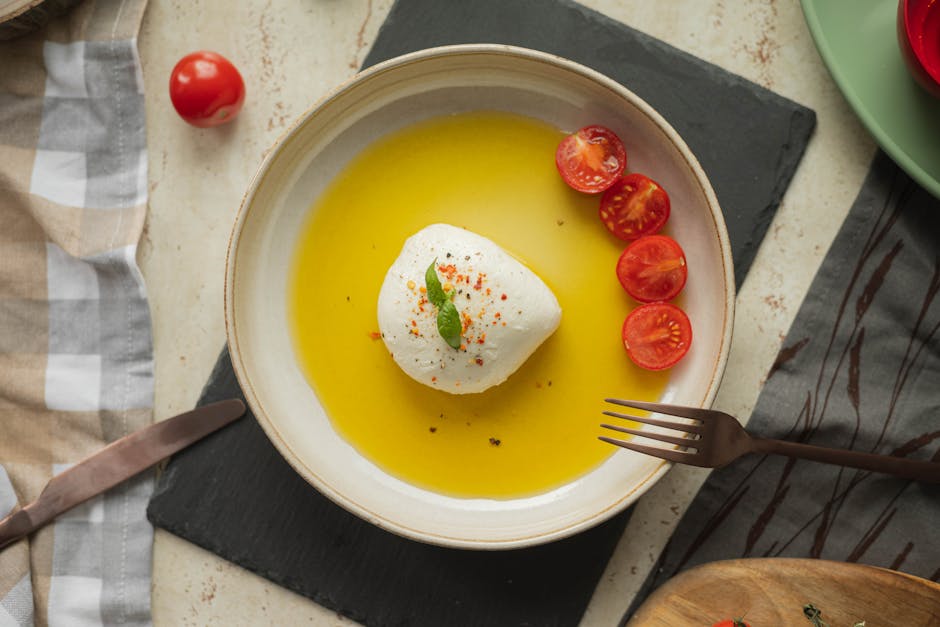
San Marzano tomatoes are highly prized for this purpose. These plum-shaped tomatoes grow in the volcanic soil near Mount Vesuvius, which gives them a naturally sweet flavor and low acidity that won't overpower the delicate dough. The DOP certification ensures authenticity. Many pizzaiolos simply hand-crush them with a pinch of salt, letting their natural sweetness shine through.
Fresh mozzarella comes in two traditional varieties. Fior di Latte, made from cow's milk, melts well without creating a watery result. Mozzarella di Bufala Campana brings richer, more complex flavors from water buffalo milk, though its higher moisture content requires careful handling to avoid soggy results.
Fresh basil adds an aromatic punch that intensifies in the oven's heat. Just a few leaves alter the entire flavor profile, creating that unmistakable Italian herb fragrance.
Extra virgin olive oil provides richness and ties everything together. A light drizzle before baking, sometimes another after, creates a sheen and rounds out the flavors.
The two classic varieties showcase this minimalist approach perfectly. Pizza Marinara contains only tomato sauce, garlic, oregano, and olive oil - no cheese at all, letting the dough and tomatoes take center stage. Pizza Margherita adds fresh mozzarella and basil to create the famous red, white, and green combination that is said to represent the Italian flag.
This simplicity allows the quality of each component to be highlighted, resulting in a pure, focused flavor that has captivated food lovers for generations.
The Art of Preparation: From Fermentation to Shaping
Creating authentic Neapolitan pizza is a process where timing, patience, and technique all come together. The journey begins with changing those four simple ingredients into a living dough through careful mixing and kneading.
The kneading process develops the gluten network that gives the dough its signature elasticity and structure. Whether done by hand or with a mixer, the goal remains the same: creating a smooth, supple dough. This is not rushed work; it's about building the foundation for everything that follows.
Once the dough comes together, the real change begins during fermentation and maturation. This is where patience is key. The yeast gets to work breaking down complex sugars while enzymes transform the dough's structure and flavor profile.
Traditional authentic Neapolitan pizza dough requires a minimum of 8 hours to a maximum of 24 hours of slow proofing. Some pizzaiolos even extend this to 48 hours or longer for deeper, more complex flavors. This extended fermentation happens at room temperature - around 60-65°F - allowing the dough to develop the characteristic tangy, yeasty notes that make Neapolitan pizza so distinctive.
During this resting period, the dough is typically covered with a damp cloth to prevent the surface from drying out. It's a delicate balance - the dough needs to develop, but it also needs protection from the elements.
After the bulk fermentation, the dough gets divided into individual portions through a process called staglio (cutting) and mozzatura (shaping) - the latter named after the technique used to shape mozzarella cheese. Each dough ball must weigh between 200-280 grams, which will create a pizza with a diameter of 8.5 to 14 inches.
These perfectly portioned dough balls then undergo a second proofing period, often stored in boxes or containers. This final rise ensures the dough becomes light, airy, and ready for the gentle stretching that's about to come.
Achieving the Perfect 'Cornicione' (Puffy Crust)
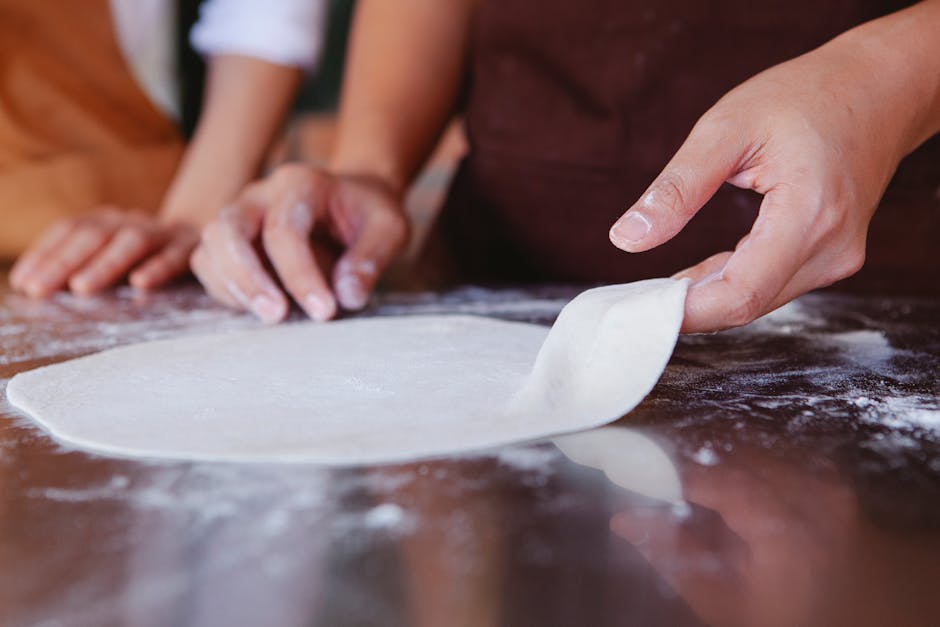
The cornicione - that puffy, leopard-spotted crust edge - is a signature feature of authentic Neapolitan pizza. Achieving it involves hand-stretching the dough rather than using a rolling pin.
Rolling pins are avoided because they flatten the dough and squeeze out all the air bubbles that create the signature puff. Instead, pizzaiolos use a technique called staglio a mano (hand-cutting portions), gently pressing the dough from the center outward while leaving a distinct rim around the edge untouched.
This pressing motion pushes all the trapped air toward the edges, concentrating it in what will become the cornicione. The dough ball is then carefully stretched to the desired diameter, maintaining its circular shape while preserving the air within that outer rim.
The stretching is a deliberate process. Gentle pulls and rotations gradually expand the dough, always working from the center outward, always preserving that outer edge. When done correctly, air bubbles can be seen forming beneath the surface, indicating the puff that will happen in the blazing oven.
This delicate hand-stretching ensures that when the pizza hits those extreme temperatures, the cornicione will balloon into a light, airy texture with just the right amount of chew - the perfect contrast to the thin, tender center that makes authentic Neapolitan pizza so irresistible.
The Crucial Element: Cooking in Extreme Heat
The final step occurs when authentic Neapolitan pizza meets the blazing heat of a wood-fired oven. This is not just cooking; it's a dramatic change that happens at temperatures higher than most home ovens can achieve. Traditional Neapolitan ovens operate at 800-900°F (427-482°C), creating an environment so intense that pizza cooks in just 90 to 120 seconds.
This extreme heat affects the dough. The blistered crust develops instantly as the surface proteins react to the intense temperature, creating the leopard spots (maculatura a leopardo) that mark authentic preparation. Meanwhile, the center remains soft and foldable - the signature texture Italians call al fazzoletto (like a handkerchief).
The science behind this rapid cooking is fascinating. The high temperature immediately sets the outer layer of dough while trapping moisture inside. This creates the perfect contrast: a charred, puffy cornicione surrounding a tender, slightly steamy center.
The flavor development happens just as quickly. Sugars caramelize instantly, and the Maillard reaction kicks into high gear, creating complex aromas and tastes that cannot be replicated with longer, lower-temperature cooking methods.
Cooking the Perfect Authentic Neapolitan Pizza at Home
Most home ovens top out around 550°F (290°C), a lower temperature than that of professional wood-fired ovens. With the right techniques and tools, it is possible to create a similar style of pizza in a home kitchen.
The secret lies in maximizing heat transfer and getting creative with equipment. A pizza stone or steel is highly recommended, as it conducts heat efficiently. Steel works particularly well because it conducts heat more efficiently than stone, giving the dough that crucial initial blast of energy it needs to puff and crisp.
Here's how the two methods compare:
| Feature | Wood-Fired Oven | Home Oven (Optimized) |
|---|---|---|
| Temperature | 800-900°F (427-482°C) | Max temp (500-550°F / 260-290°C) with accessories |
| Cooking Time | 90-120 seconds | 6-9 minutes (depending on method) |
| Heat Source | Radiant heat from flames, conductive from stone | Convective from air, conductive from stone/steel, radiant from broiler |
| Crust Characteristics | Puffy, leopard-spotted cornicione, soft center | Puffy cornicione, crispy bottom, soft center (can vary) |
| Equipment | Dedicated wood-fired oven | Pizza stone or steel, broiler, heavy-bottomed skillet |
The skillet-broiler method is one way to approximate the authentic experience. Start by preheating a heavy cast-iron or stainless steel skillet on the stovetop until it's very hot. At the same time, turn on the broiler for at least 10-15 minutes.
When everything is ready, gently slide the topped pizza into the hot skillet, then immediately transfer it under the broiler. This dual-heat approach mimics the radiant flames above and conductive stone below of a traditional oven. After 1.5 to 4 minutes under the broiler (watch for bubbles and char marks), finish the bottom with another 1.5 minutes on the stovetop.
The result will not match the lightning-fast cook time of a wood-fired oven, but it can capture the essential spirit of authentic Neapolitan pizza - the charred edges, the tender center, and the incredible flavors that come from high-heat cooking.
Frequently Asked Questions about Neapolitan Pizza
Why is Neapolitan pizza soft and "floppy" in the center?
The soft, foldable texture of authentic Neapolitan pizza often surprises first-time tasters, especially those used to crispy American-style crusts. This is a characteristic feature of the style. The Italians even have a name for this characteristic: "al fazzoletto" (like a handkerchief), because the slice is so delicate it can be folded in half or even into a small shape to eat.
This signature softness comes from the high hydration dough (around 60-65% water content) combined with the lightning-fast cooking process. When the pizza hits that blazing 800-900°F oven for just 90-120 seconds, the outside cooks instantly while the interior stays tender and slightly steamy. The lack of oil or sugar in traditional Neapolitan dough also contributes to this texture, as these ingredients would create a crispier, more rigid crust.
A brief "crisp window" may be noticeable right when the pizza emerges from the oven, but within minutes it becomes pliable as steam escapes and the crust settles. In Naples, this texture is often managed by eating the pizza with a knife and fork.
What is the difference between Pizza Margherita and Neapolitan Pizza?
Think of "Neapolitan" as the cooking style and technique, while "Margherita" is simply one topping combination that fits within that style. It's like the difference between "barbecue" and "ribs" - one describes the method, the other describes what is being eaten.
Authentic Neapolitan pizza refers to the entire approach: the specific '00' flour dough recipe, the slow 8-24 hour fermentation process, the hand-stretching technique (never a rolling pin!), and the wood-fired oven cooking at extreme temperatures. This creates the signature thin, chewy base with the puffy, airy cornicione edge.
Pizza Margherita is one of just two classic Neapolitan varieties, topped with San Marzano tomato sauce, fresh mozzarella (either Fior di Latte or Mozzarella di Bufala), fresh basil, and olive oil. The other traditional variety is Pizza Marinara, which features tomato sauce, garlic, oregano, and olive oil but no cheese.
While anyone can put Margherita toppings on any pizza, only when it follows the strict Neapolitan preparation and cooking standards can it be considered an authentic Neapolitan pizza Margherita.
What are the most common mistakes to avoid when making Neapolitan pizza?
Making authentic Neapolitan pizza at home can be a rewarding process, but several common pitfalls can derail the efforts of an enthusiastic home cook.
A common mistake is using a rolling pin. This tool is avoided because it crushes the air bubbles that create the signature puffy cornicione and airy texture. Always stretch the dough gently by hand, pushing air toward the edges.
Flour choice is very important. Regular all-purpose or bread flour will not give the same results as proper '00' flour. The fine milling and specific gluten structure of '00' flour are essential for creating the delicate, elastic dough that can withstand extreme heat without becoming tough.
Patience with fermentation is key to developing the dough's characteristic flavor and texture. Rushing the process with less than 8-24 hours of slow fermentation results in dough that's hard to digest, lacks complex flavors, and won't have the proper texture. That long, slow rise breaks down complex carbohydrates and develops the flavors that make Neapolitan pizza special.
Topping overload is another common mistake. Authentic Neapolitan pizza celebrates simplicity; piling on ingredients will weigh down the thin center, create sogginess, and prevent even cooking. Quality over quantity is the guiding principle.
High temperature is crucial. Without extreme heat approaching 800-900°F, the dough won't cook fast enough, leading to dry, dense crusts instead of the perfect soft, foldable texture with charred spots. Thorough preheating of both oven and pizza stone or steel is absolutely essential.
Finally, don't forget to drain fresh mozzarella properly. Especially Mozzarella di Bufala contains significant moisture that can turn a pizza soggy if not blotted dry before use. A little preparation prevents the pizza from becoming watery.
Conclusion: The Enduring Allure of Simplicity
The enduring appeal of authentic Neapolitan pizza lies in its ability to transform the simplest ingredients into something truly extraordinary. This is not just food; it's a piece of history that has captivated taste buds for centuries.
What makes this pizza style so special is how it demonstrates the principle of quality over quantity. Four basic ingredients, handled with care and respect, create flavors that complex recipes often can't match. The slow fermentation, the careful hand-stretching, the blazing heat of the oven - each step honors both tradition and technique.
Making authentic Neapolitan pizza requires patience. The dough needs time to develop its character. The toppings must be chosen thoughtfully. The cooking happens in a flash, but only after hours of careful preparation. The process highlights that some results require both time and skill.
For food lovers living in River North, Chicago, this appreciation for culinary craftsmanship is evident. The city's dining scene celebrates this kind of attention to detail and respect for tradition. Residents of The Bush Temple by FLATS® are well-positioned to explore Chicago's diverse food landscape, where authentic flavors and modern innovation blend seamlessly.
Whether making this pizza at home or enjoying it at a pizzeria, understanding what makes authentic Neapolitan pizza special can enrich the dining experience. Those seeking Italian dining can find Italian restaurants in the Gold Coast, where the spirit of Naples is reflected in Chicago's dynamic culinary scene.
The legacy of Neapolitan pizza is a testament to the results that can be achieved with simple ingredients and precise technique.