


Why Italian Food Dominates America's Dining Scene
Italian dining near me searches reflect a nationwide craving that's backed by solid numbers. According to industry data, Italian cuisine ranks as one of the most popular cuisines in the United States, with 75% of Americans reporting they enjoy Italian food. The average American dines at an Italian restaurant three times per year, contributing to a market of 116,000 Italian restaurants across the country.
Quick Answer for Finding Italian Dining Near Me:
- Search online using maps and review platforms
- Look for fresh ingredients and house-made pasta
- Check for regional specialties (Northern vs. Southern Italian)
- Read recent reviews for quality consistency
- Ask locals for hidden gems and family-owned spots
The appeal goes beyond just taste. Italian restaurants create experiences that blend authentic flavors with welcoming atmospheres. A common restaurant philosophy is that tables are for both food and family stories. This combination of tradition, care, and imagination transforms a simple meal into something memorable.
Finding the right Italian spot requires knowing what separates authentic experiences from generic options. Fresh ingredients, regional authenticity, and genuine hospitality make all the difference. Whether seeking a cozy trattoria for date night or a family-style celebration space, understanding these elements helps identify restaurants worth visiting.
The Italian restaurant market continues growing at 4.5% annually, driven by demand for both traditional dishes and modern interpretations. This growth means more options but also more variation in quality and authenticity.
Understanding the Authentic Italian Experience
Searching for Italian dining near me means looking for more than just a meal. The quest leads to experiences that transport diners straight to the heart of Italy, where food becomes a celebration of tradition, family, and shared joy.
The magic happens when restaurants commit to fresh, seasonal ingredients and honor regional cooking styles. These establishments understand that authenticity comes from respecting time-honored methods while creating spaces that feel like home.
Picture walking into a restaurant where homemade marinara sauce fills the air before reaching the door. Laughter mingles with conversation, and the atmosphere buzzes with warmth. This captures the true spirit of Italian dining - where countries don't make homes, kitchens do.
Many family-owned Italian restaurants carry decades of experience, some spanning over 65 years. These establishments blend local ingredients with imported Italian staples, creating dishes that tell stories. Their philosophy often centers on tradition, care, and imagination, changing simple meals into memorable experiences.
A restaurant's philosophy on tradition and imagination
The best spots evoke the atmosphere of Little Italy from generations past, focusing on hearty cooking and family-style portions. This approach creates genuine connections between diners and the rich culinary heritage of Italy.
What Defines Authentic Italian Cuisine
Authentic Italian cuisine celebrates simplicity and ingredient quality above all else. Rather than complex preparations with endless components, the focus stays on showcasing natural flavors from carefully selected, premium items.
When seeking genuine Italian dining near me, expect dishes where ingredients shine individually while creating perfect harmony. Fresh, high-quality ingredients form the foundation - think ripe San Marzano tomatoes, robust extra virgin olive oil, and vibrant fresh herbs like basil, oregano, and parsley.
House-made pasta separates authentic spots from ordinary ones. Restaurants that craft pasta daily deliver superior texture and flavor that store-bought versions simply cannot match. This commitment to craftsmanship shows in every bite.
Regional specialization marks truly authentic establishments. Instead of attempting everything, many authentic restaurants specialize in dishes from specific Italian regions, reflecting unique local traditions and cooking methods.
This approach creates harmonious flavor balances where each ingredient contributes meaningfully to the final dish, a reflection of Italy's culinary soul.
The Role of Ambiance and Hospitality
Atmosphere and hospitality are as important as food in creating authentic Italian dining experiences. The goal involves making diners feel like cherished guests rather than mere customers.
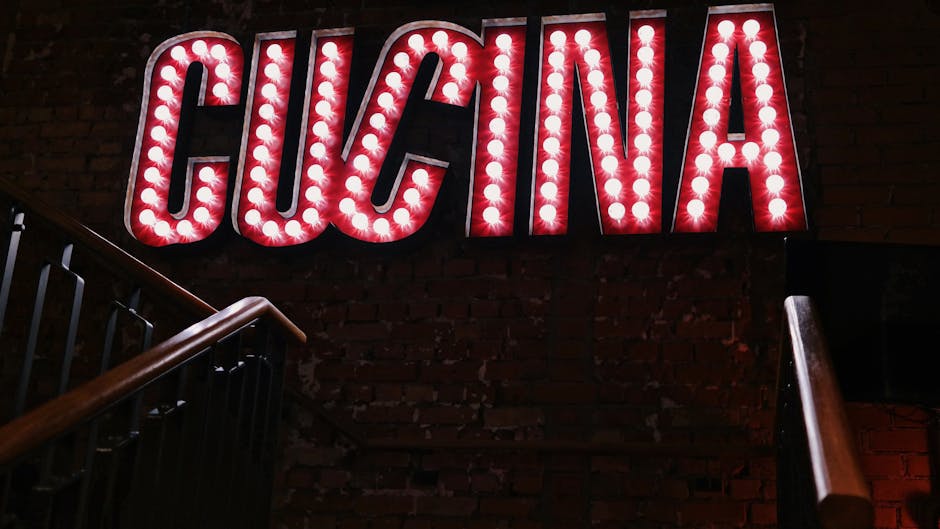
Warm lighting and rustic decor establish cozy, inviting environments reminiscent of traditional trattorias or family homes. Exposed brick, wooden tables, and charming character touches create authentic ambiance without feeling forced.
The communal feeling encourages sharing and togetherness through family-style portions, large tables, and environments where lively conversation flows naturally. This social aspect reflects Italian dining culture perfectly.
Attentive service completes the experience through staff who anticipate needs without being intrusive. Friendly, knowledgeable service makes diners feel genuinely welcomed and appreciated.
This combination transforms simple dinners into memorable occasions, whether for intimate celebrations, lively gatherings, or special events. These establishments aim to create experiences that extend far beyond the meal itself.
A Culinary Tour Through Italy's Regions
Italy's culinary landscape tells a fascinating story of geography, climate, and tradition. Each of the country's 20 regions has developed its own distinct cooking style, shaped by local ingredients and centuries of cultural influences. When searching for Italian dining near me, understanding these regional differences transforms a simple meal into a culinary trip.
The boot-shaped peninsula stretches from the snow-capped Alps to the sun-drenched Mediterranean coast. This dramatic geography creates vastly different growing conditions and food traditions. Northern regions feature rich, warming dishes suited for cooler climates, while the south celebrates bright, fresh flavors that capture the essence of sunshine.
A truly authentic Italian restaurant often specializes in one particular region's cuisine rather than mixing styles randomly. This focus on regional authenticity signals a restaurant's genuine commitment to Italian culinary traditions. Finding these specialized spots can lead to finding flavors that might surprise even those familiar with Italian food.
Information on traditional Italian ingredients

Northern Italian Flavors
The cuisine of Northern Italy reflects the region's cooler climate and fertile plains. From Lombardy's creamy risottos to Emilia-Romagna's legendary prosciutto, these dishes feature richness and comfort. When looking for Italian dining near me featuring Northern specialties, expect ingredients that create warming, satisfying meals.
Butter and cream sauces dominate Northern Italian cooking, creating luxurious textures that coat pasta well. Unlike the olive oil-focused south, these regions traditionally used dairy as their primary cooking fat. The result is dishes with deep, comforting flavors suited for chilly evenings.
Risotto stands as a hallmark of Northern Italian cuisine. This creamy rice dish requires patience and technique, slowly building layers of flavor with wine, broth, and local ingredients. Whether featuring wild mushrooms from the forests or saffron from the fields, each risotto tells the story of its specific region.
Polenta offers another Northern staple, changing simple cornmeal into a versatile dish. Served creamy alongside braised meats or allowed to firm up for grilling, polenta showcases the region's ability to lift humble ingredients into memorable dishes.
The north is also known for cured meats like prosciutto di Parma and various salamis. These delicacies benefit from the region's climate conditions suitable for aging, creating complex flavors that pair well with local wines.
Central and Southern Italian Staples
Moving south, Italian cuisine transforms dramatically. The Mediterranean climate brings abundant sunshine, fresh seafood, and the tomatoes that define much of what people recognize as "Italian food." Central and Southern regions create dishes that celebrate bright, vibrant flavors.
Tomato-based sauces form the foundation of Southern Italian cooking. San Marzano tomatoes, grown in the volcanic soil near Naples, create sauces with a balance of sweetness and acidity. These sauces range from simple marinara to complex ragùs that simmer for hours.
Extra virgin olive oil replaces butter as the cooking fat of choice. High-quality olive oil doesn't just cook the food—it becomes a flavor component itself, adding fruity notes and richness to every dish. Many Southern Italian restaurants use olive oil generously, understanding its importance to authentic flavors.
Fresh seafood takes center stage along the extensive coastlines. Simple preparations let the ocean's flavors shine through—grilled branzino with lemon, linguine alle vongole, or the famous frutti di mare that showcases the day's catch.
Neapolitan pizza represents perhaps the most famous Southern Italian export. True Neapolitan pizza features a soft, chewy crust with minimal toppings—often just tomatoes, mozzarella, and fresh basil. The simplicity allows each ingredient's quality to shine.
Hearty pasta dishes complete the Southern Italian experience. From spaghetti carbonara to orecchiette with broccoli rabe, these dishes pair well-shaped pasta with sauces that cling and complement. Fresh herbs like basil and oregano, along with a touch of chili heat, create the bold flavors Southern Italy is famous for.
What to Look For on the Menu
Understanding how to read an Italian menu transforms dining from guesswork into a trip. When searching for Italian dining near me, knowing the traditional meal structure helps identify restaurants that respect authentic Italian dining customs.
Italian meals follow a progression designed to build flavors and create a complete experience. Antipasti start the journey with small plates meant to awaken the palate - think platters of cured meats and aged cheeses, marinated vegetables that glisten with olive oil, or crispy bruschetta topped with fresh tomatoes and basil.
The primi course traditionally features pasta, risotto, or soup. These dishes often feature foundational Italian techniques. Look for descriptions mentioning house-made pasta or risotto prepared to order - these details signal a kitchen committed to quality.
Secondi bring the main proteins - perhaps a grilled branzino or tender osso buco that's been braised for hours. Italian chefs typically prepare these simply, allowing the natural flavors to shine. Contorni offer seasonal vegetables or salads that complement the main course, while dolci provide the sweet finale to the meal.
Some menus tell stories about their ingredients. Descriptions mentioning San Marzano tomatoes, Parmigiano-Reggiano aged specific lengths, or herbs grown in the restaurant garden indicate a kitchen that cares about sourcing and authenticity.

Classic Dishes Not to Miss
Certain dishes are central to Italian cooking, with preparations that have remained unchanged for generations. When exploring Italian dining near me, these classics can serve as benchmarks for authenticity and technique.
Cacio e Pepe, a dish of cheese, pepper, and pasta, requires specific technique to create its silky sauce. The sauce is formed when hot pasta water emulsifies with grated Pecorino Romano and freshly cracked black pepper, coating each strand.
Carbonara is another Roman dish. Eggs, cheese, and guanciale (or pancetta) transform through careful timing and temperature control into a creamy sauce without cream. A well-prepared version arrives at the table still steaming, with the eggs cooked by residual heat.
Lasagna al Forno showcases a kitchen's ability to balance multiple components. Layers of tender pasta, rich meat ragù, creamy béchamel, and melted cheese create a classic layered dish. Each forkful delivers all elements in harmony.
Osso Buco is a Northern Italian braised dish. Veal shanks slowly cooked with vegetables and wine until fork-tender, traditionally finished with gremolata - a bright mixture of lemon zest, garlic, and parsley that cuts through the richness.
For dessert, Tiramisu offers coffee-soaked ladyfingers layered with mascarpone cream, while Panna Cotta provides silky sweetness that melts on the tongue. Both require patience and precision to achieve their signature textures.
A classic Chicken Marsala recipe adaptation
Accommodating Dietary Preferences
Modern Italian restaurants often accommodate different dietary needs without compromising flavor or authenticity. When searching for Italian dining near me, look for establishments that thoughtfully accommodate different dietary needs.
Gluten-free pasta options have become increasingly common, allowing those with sensitivities to enjoy classic preparations. Many restaurants use quality gluten-free pasta that holds sauce properly and maintains good texture throughout the meal.
Italian cuisine naturally offers abundant vegetarian choices - creamy risottos studded with seasonal vegetables, pasta tossed with fresh herbs and olive oil, or eggplant parmigiana. Many restaurants now expand these offerings with plant-based alternatives that capture traditional flavors using vegetables, grains, and legumes.
Clear menu markings can make dining easier for those with restrictions. Symbols indicating gluten-free, vegetarian, or vegan options help diners steer choices quickly. Many establishments also train staff to understand ingredients and preparation methods, ensuring accurate information about allergens and dietary concerns.
Flexibility matters too. Some Italian restaurants accommodate reasonable modifications - preparing a dish without cheese, substituting ingredients where possible, or adjusting seasoning levels. This willingness to adapt shows respect for diners while maintaining the integrity of the cuisine.
The goal remains the same whether someone follows specific dietary guidelines or not: creating memorable meals that celebrate Italian culinary traditions while ensuring everyone feels welcome at the table.
How to Find the Best Italian Dining Near Me
The search for Italian dining near me starts with knowing where to look and what signs point to authentic quality. With many options available, especially in vibrant neighborhoods like River North and the Gold Coast, developing a strategic approach can help in finding a memorable meal.
The search for Italian food combines online research with local knowledge. Online searches provide the starting point, but some establishments may be found through community connections and careful observation of what makes each restaurant special.
More info about Italian Restaurants Chicago
Tips for Finding Quality Italian Dining Near Me
Identifying authentic Italian dining near me can be aided by looking for certain signs. Some restaurants highlight their commitment to quality.
"Fatto in Casa" appears frequently on menus at authentic spots. This Italian phrase meaning "made in house" signals that the restaurant crafts items like pasta, sauces, bread, and desserts from scratch. Fresh pasta has a different texture and flavor from dried versions, and house-made sauces have distinct characteristics.
Regional specialization can indicate a focus on specific culinary traditions. A restaurant focusing on Sicilian dishes, for example, may offer a menu that is distinct from one specializing in Northern Italian cuisine.
Recent customer reviews can provide information about current quality and service levels. Focus on feedback from the past few months rather than older reviews, as restaurants can change significantly over time. Look for consistent mentions of fresh ingredients, attentive service, and specific dishes.
Daily specials can indicate a commitment to using seasonal, fresh ingredients. Chefs often use daily specials to showcase the best available produce, which may go beyond standard menu offerings and demonstrate creativity.
Local neighborhood exploration can lead to finding family-owned establishments with deep community roots. These restaurants may offer authentic experiences based on years of service.
Why Local Favorites Matter for Italian Dining Near Me
Long-standing local establishments can be a source for Italian dining near me. These restaurants often build a community reputation through consistent quality, hospitality, and authentic flavors that keep customers returning.
Established restaurants with decades of history often have a long track record. Places operating for 65+ years have maintained their standards through various conditions. Their longevity can be an indicator of their ability to satisfy diners over time.
Community reputation develops through trust built over time. Local favorites become woven into the neighborhood fabric, known for reliable quality and welcoming atmospheres. These spots often become gathering places where celebrations happen and memories form.
Consistent quality emerges from years of refining recipes and techniques. Experienced kitchens develop systems ensuring each dish meets established standards, so that meals are consistent on each visit. This reliability can be important for special occasions.
Generational recipes passed down through families carry authentic flavors and stories from Italy's culinary heritage. These time-tested dishes often represent regional traditions preserved and refined over decades, offering tastes that transport diners to specific Italian locations and moments in history.
The personal touch found at local favorites can create dining experiences that are highly personalized. Staff members may remember preferences, dietary restrictions, and special occasions, making each visit feel special.
Frequently Asked Questions about Italian Dining
When searching for italian dining near me, certain questions come up again and again. These questions can help diners better understand Italian food culture and what to expect when dining at authentic establishments.
What is the difference between a trattoria, osteria, and ristorante?
These three types of Italian restaurants each offer different experiences, and knowing the difference helps when choosing where to dine.
A ristorante represents the most formal dining option. These establishments typically feature professional service, extensive wine lists, and neat atmospheres. The menus are comprehensive, offering multiple courses with refined presentations. This level of service and ambiance reflects the formal setting.
A trattoria strikes a middle ground between casual and formal. These family-style restaurants focus on traditional, regional dishes served in warm, rustic settings with a relaxed and welcoming atmosphere.
An osteria traditionally started as a simple wine bar serving basic food alongside drinks. Today's osterias have evolved but maintain their casual, friendly character. They emphasize local, seasonal ingredients, and the atmosphere tends to be convivial and unpretentious.
While these distinctions blur in modern dining, they still provide helpful guidance about what type of experience to expect.
Is Italian-American food the same as authentic Italian food?
Italian-American cuisine and authentic Italian food are distinctly different, though both have their merits. Italian-American dishes developed as immigrants adapted traditional recipes using available American ingredients while catering to local tastes.
The most noticeable difference lies in portion sizes. Italian-American restaurants typically serve much larger portions than what you'd find in Italy. The sauces also differ significantly - Italian-American versions tend to be richer, sweeter, and more heavily seasoned with garlic and oregano.
Cheese usage varies dramatically between the two styles. Italian-American dishes often feature generous amounts of melted mozzarella and Parmesan, while authentic Italian cuisine uses cheese more sparingly and strategically.
Many common Italian-American dishes like Chicken Parmesan or Spaghetti and Meatballs don't exist in traditional Italian cuisine. In Italy, meatballs (polpette) are served as a separate course, not combined with pasta. These combination dishes represent the creative adaptation of Italian immigrants.
Both styles offer distinct dining experiences, but understanding the difference helps set proper expectations when searching for italian dining near me.
What is an 'aperitivo' and 'digestivo'?
These two Italian drinking traditions bookend the dining experience and reflect Italy's leisurely approach to meals.
An aperitivo comes from the Latin word meaning "to open" - specifically, to open the appetite. This pre-meal ritual typically happens in late afternoon or early evening. Popular choices include Aperol Spritz, Campari, Prosecco, or light wines, often accompanied by small snacks like olives, nuts, or chips.
The aperitivo serves as much as a social activity as a culinary one. Friends gather to unwind, chat, and stimulate their palates before dinner. This tradition emphasizes the Italian value of taking time to enjoy simple pleasures.
A digestivo serves the opposite purpose - helping digest the meal just finished. These stronger alcoholic beverages are sipped slowly after eating, especially following rich or heavy meals. Common digestivi include limoncello, amaro (bitter herbal liqueurs), grappa, or a simple espresso.
The digestivo extends the dining experience, allowing conversation to continue while the meal settles. Both traditions highlight how Italian culture views dining as a complete experience rather than just consuming food.
Understanding these customs can improve appreciation for authentic Italian restaurants that honor these time-tested traditions.
Conclusion
Finding italian dining near me involves understanding the elements that contribute to the experience. The freshness of ingredients, the regional authenticity of flavors, and the welcoming ambiance all work together. From the risottos of Northern Italy to the tomato-forward dishes of the South, authentic Italian cuisine often features simplicity.
Many Italian restaurants aim to feel like stepping into someone's home. They're places where fresh herbs perfume the air, where house-made pasta arrives al dente, and where the staff provides welcoming service. These establishments understand that dining is about more than just eating – it's about connection, tradition, and joy.
Regional specialties offer another layer of findy. A restaurant that focuses on Tuscan cuisine or Sicilian traditions can deliver an authentic experience. The commitment to specific regional cooking shows dedication to those traditions.
For those living in Chicago's vibrant River North and Gold Coast neighborhoods, the search for italian dining near me can yield many results. The Bush Temple by FLATS® places residents near many dining options, in a setting where historic charm meets modern living.
From cozy trattorias to lively osterias, the neighborhood offers many opportunities to explore Italy's rich culinary heritage. The proximity to these dining experiences can become part of daily life, turning a meal into a potential trip.
The neighborhood offers a chance to find many Italian options. Whether it's a cacio e pepe, a warming bowl of osso buco, or simply a glass of wine shared with friends, authentic Italian dining can create lasting memories.